By Murray Sherriffs
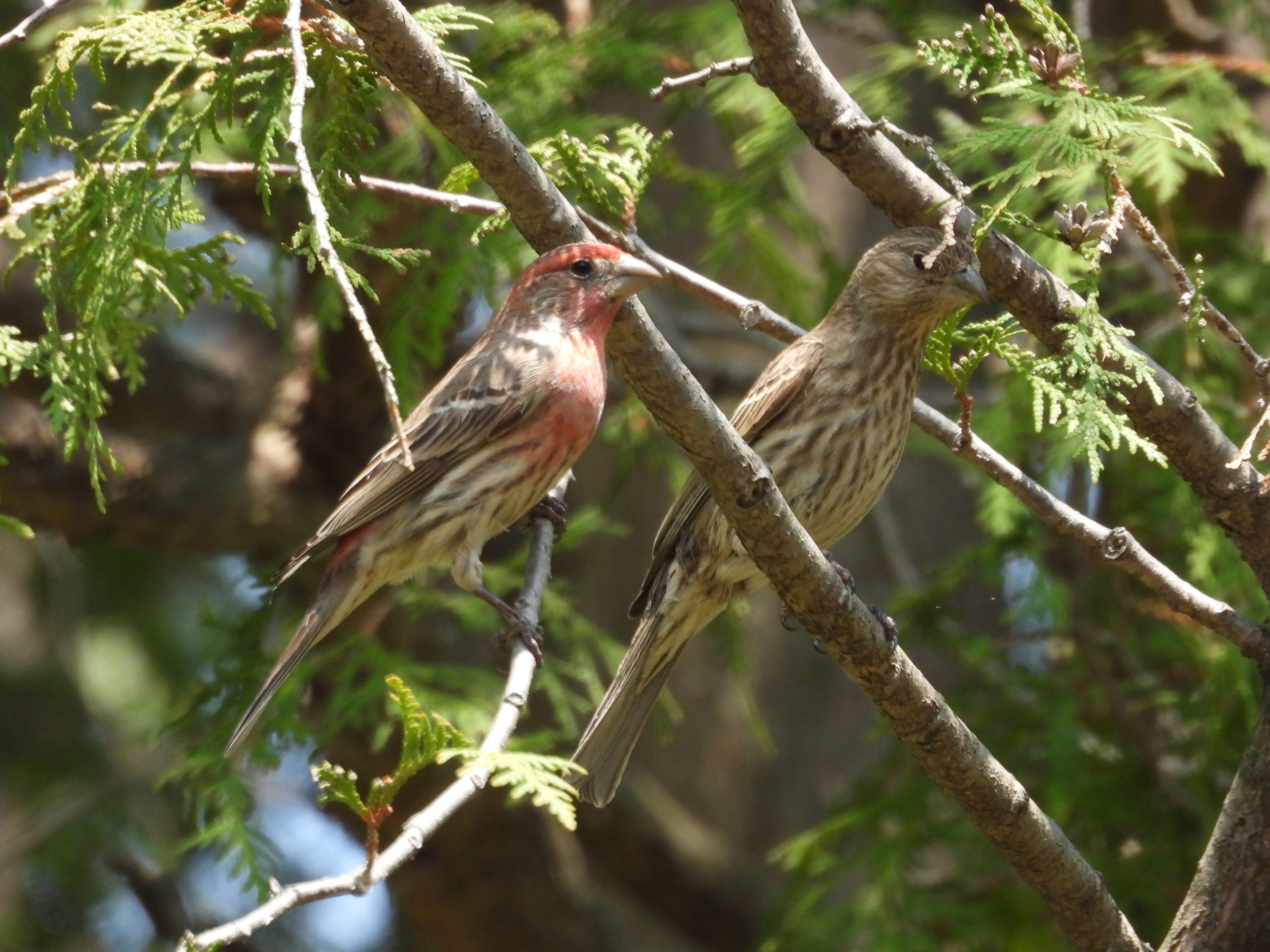
It happens in nearly all counties and throughout recorded history.
The causes are deeply rooted in our evolutionary history.
But not just humans.
An international team of scientists led by the Max Planck Institute for Evolutionary Anthropology, in Leipzig, Germany, has undertaken the most comprehensive analysis of sex differences in lifespan across mammals and birds to date.
Analyzing data from a total of 1,176 species, the researchers found in mammals, 72 percent of females live on average 13 percent longer than males. Birds: 68 percent of males outlive females by about five percent.
A genetic explanation.
The heterogametic sex hypothesis points to differences in sex chromosomes.
In mammals, females have two X chromosomes, while males have only one X and one Y, making them the heterogametic sex.
Research suggests having two X chromosomes may protect females from harmful mutations, offering a survival advantage.
This is the reverse in birds, with females being the heterogametic sex.
Parental care also plays a role.
In nature, the sex that invests more in raising offspring, often the female, tend to live longer.
